Moving abroad always brings both excitement and challenge. For many Sri Lankans residing in the UK, one of the most overlooked challenges is being unable to find the grocery staples that were once so familiar back home. Whether you’re freshly arrived or have been in the UK for years, nothing quite replaces the comfort of cooking your favourite Sri Lankan meals with the right ingredients. In this article, we’ll walk you through 10 Sri Lankan grocery essentials that many expats miss — and provide tips on how to find them in the UK, how to store them, and how to use them. This post is SEO-optimised for phrases like Sri Lankan groceries UK, Sri Lankan ingredients expat UK, buy Sri Lankan food UK so you’ll find relevant search-friendly content too.
1. Raw Rice (Red Raw Rice / Samba / Kolam)
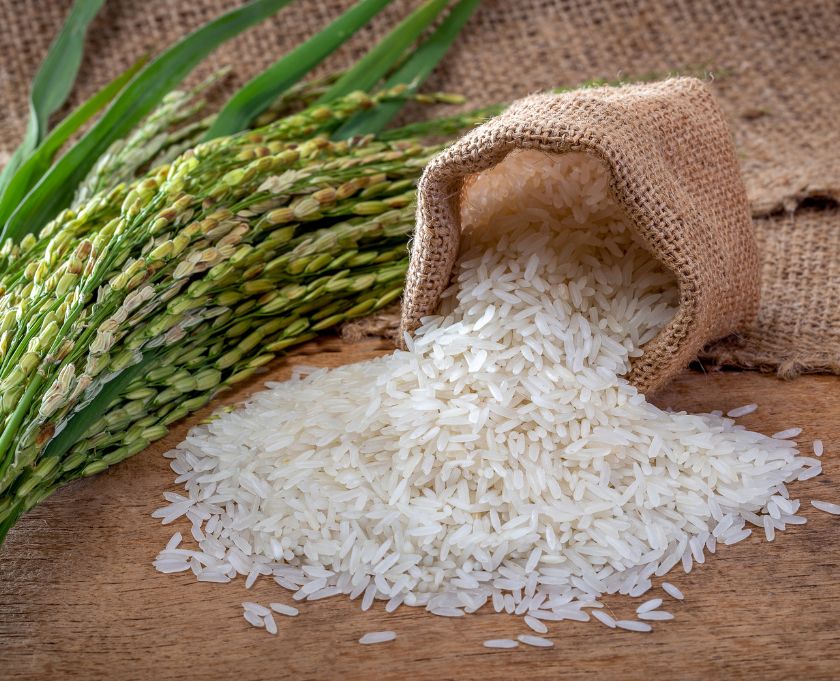
One of the foundational elements of a Sri Lankan kitchen is the type of rice you use — not just any white rice. Many expats miss the familiar red or raw rice varieties (e.g., samba or kolam) that give Sri Lankan meals their authentic feel.
In traditional Sri Lankan households, raw rice is preferred for daily meals because it offers a fuller flavour and different texture.
In the UK, these varieties may not always be available in mainstream supermarkets, so look for specialist Sri Lankan or South Asian grocery stores or UK-based Sri Lankan online grocers.
Store in an airtight container to preserve freshness and keep pests away.
Tip: If you can’t find the exact variety, combine a small portion of red raw rice with standard white rice to approach the flavour and texture you remember.
2. Coconut Milk & Desiccated Coconut
Coconut is at the heart of Sri Lankan cuisine — from curries to sweets. Expats often miss:
Coconut milk (fresh or canned) used for meals like pol-roti, wambatu (brinjal) moju, and fish or vegetable curries.
Desiccated or frozen grated coconut for dishes like vegetable mallung (greens with grated coconut) and sweets. Finding good quality Sri Lankan coconut products in the UK is possible — many online Sri Lankan grocery stores stock them. For example, UK-based Sri Lankan ecommerce sites emphasise “coconut products” in their everyday essentials. Binara Online UK+3Ceylon Supermart+3ceylonshop.co.uk+3 Storage tip: Canned coconut milk is straightforward. For frozen grated coconut, freeze immediately upon arrival and use portions as needed.
3. Curry Powder & Roasted Curry Powder
The distinct taste of Sri Lankan curry powder is something many expats crave. Unlike generic curry powders in regular UK supermarkets, Sri Lankan curry powders often have specific blends including roasted cumin, coriander, fennel, cinnamon, cardamom, and chilli.
This mix gives Sri Lankan curries their characteristic aroma and heat.
Reddit users note that: “This is what I always ask for. Usually we can get most Sri Lankan things here, but curry powder is one of those things you can’t find anywhere.” Reddit
Tip: When buying online, look for brands that state “Sri Lankan roasted curry powder” and check reviews for authenticity.
For storage, keep the powder in a cool, dark place and seal tightly — the roasted spices lose aroma fast once opened.
4. Dried Fish / Maldive Fish / Sprats
The intense umami flavour of dried fish, Maldive fish (dried skipjack tuna), and sprats (small dried fish) is a hallmark of many Sri Lankan dishes — especially sambols, mallung, and curries.
Many expats mention missing the texture and taste that only dried fish brings.
For example, UK-based online Sri Lankan stores list “Dried Fish” and “Maldive Fish Chips” as part of their Sri Lankan flavours collection. Alli Bhavan+1
Tip: Always inspect dried fish for freshness and odour. In the UK, ensure the packaging is airtight and often imported.
Use sparingly initially if you’re not used to the strength of the flavour.
5. Sambols & Pickles (Achcharu)
Sambols (spicy, often coconut-based side dishes) and pickles (achcharu) are the accompaniment that make a Sri Lankan meal feel complete.
Whether it’s red coconut sambol, pol sambol (coconut sambol), or a tangy mango achcharu, these items often aren’t stocked in standard UK grocery chains.
One UK store’s “Everyday Essentials” list included “MD Authentic Sri Lankan Seeni Sambol” and “Sinhala Pickle/Achcharu 375g”. Ceylon Supermart
Tip: Look for sealed jars or cans from Sri Lankan brands. If unavailable, you can make a quick homemade version using grated coconut, chilli, lime juice, onion and salt as a temporary fix.
6. Kithul Treacle / Jaggery / Kithul Products
Kithul treacle (the syrup from the fishtail palm) and jaggery are traditional Sri Lankan sweeteners used in sweets, desserts and even savoury food.
Many expats mention missing the specific flavour of kithul using sweets like dodol or kiribath (milk rice) which are difficult to replicate without the ingredient.
Online stores catering to Sri Lankans in the UK list “Kithul Jaggery Slab” and other kithul products. Binara Online UK+1
Tip: Store treacle and jaggery in a cool dark place; once opened, keep sealed and use within a reasonable timeframe—especially given UK humidity.
7. Sri Lankan Tea & Coffee (Ceylon Tea)
While tea is easy to find in the UK, the distinct Ceylon tea flavour and specific Sri Lankan coffee blends are special reminders of home.
UK-based Sri Lankan grocery sites actively market “Ceylon Tea, Coffee & Drinks” as part of their core offerings to expats. Binara Online UK+1
Whether you prefer a strong black tea for milk-tea or a milder green/white Ceylon variety, finding authentic Sri Lankan labels helps evoke home.
Tip: When buying tea, check the region (e.g., Nuwara Eliya, Uva) and packaging date for freshness. Store in an airtight tin to preserve aroma.
8. Pol Roti / String Hopper Flour / Hoppers Mix
Many Sri Lankan expats miss the breads and starches from home — things like pol roti (coconut roti), string hoppers (idiyappam), and hopper mixes.
In UK online Sri Lankan grocery stores you’ll find items like “MDK String Hopper White Rice Flour Mixture 700g” listed as part of everyday essentials. Ceylon Supermart+1
These staples allow you to recreate weekend breakfasts or snacks at home, which are often nostalgic.
Tip: Check for correct flour blends (rice flour plus coconut etc) and follow recipes closely since UK humidity and ingredients may differ slightly from Sri Lanka.
9. Ceylon Cinnamon & Whole Spices
While many UK supermarkets offer cinnamon and spices, the Ceylon cinnamon (true cinnamon from Sri Lanka) and whole Sri Lankan spice blends (like roasted coriander seeds, fenugreek, cloves) are often overlooked.
The difference in aroma and flavour between Ceylon cinnamon and other “cassia” varieties is real for many Sri Lankans.
Online stores list cinnamon sticks, ground cinnamon and whole spices under Sri Lankan groceries. Ceylon Supermart+1
Tip: Store whole spices rather than ground where possible. Grind small amounts ahead of cooking to preserve flavour.
10. Sri Lankan Snacks, Sweets & Beverages
Finally, what many expats underestimate until they miss it: the snacks, sweets and beverages of home. These include savoury murukku, banana chips, Kithul toffees, wood-apple drink mixes, and more.
A reddit user noted: “I always ask for chilli paste. MG or Larich. And tea.” Reddit
UK Sri Lankan grocery shops highlight “snacks” and “sweets & sweet snacks” among their everyday essentials. Ceylon Supermart+1
Tip: Keep a small snack cupboard or treat box — it helps with cravings, comfort food moments and sharing with friends as you connect with community in the UK.
Why These Essentials Matter for Expats
Emotional connection & cultural identity: Food is a strong link to home, family and tradition. Having these staples helps preserve Sri Lankan cultural identity even while abroad.
Authentic taste & nutrition: Many Sri Lankan recipes rely on specific ingredients (e.g., coconut milk, roasty curry powder, dried fish) which change the final taste profile significantly if replaced with generic alternatives.
Community & sharing: Bringing over or buying Sri Lankan products enables hosting friends, sharing meals with other Sri Lankans abroad, and keeping traditions alive (festivals, get-togethers, cooking nights).
Convenience & availability: As the UK’s Sri Lankan online grocery market expands, it’s easier than ever to order authentic ingredients — but knowing what to look for remains important.
Tips for Shopping & Storage in the UK
Use specialist Sri Lankan / South Asian grocery stores: Many online stores in the UK cater specifically to Sri Lankan groceries — for example, “everyday essentials” sections list key Sri Lankan items. Ceylon Supermart+2ceylonshop.co.uk+2
Check packaging & origin: Ensure that imported products clearly label Sri Lankan origin, production date, batch number and best-before date.
Shipping & delivery considerations: Some items (e.g., frozen grated coconut, desiccated fish) may require cold-chain shipping. Online stores often mention delivery across the UK (see “Flavors of Sri Lanka, Anywhere in the UK”). Binara Online UK+1
Storage tips:
Keep spices, coconut milk, jaggery and other items in cool, dry places.
Freeze items like grated coconut or dried fish if arrival date to usage is delayed.
Use airtight containers for rice, flour and snack items to protect them from pests and moisture.
Substitutions when items not available:
If you can’t source raw red rice, mix a portion of brown rice or red rice with white rice.
If a certain sambol is unavailable, make a quick version yourself (e.g., grated coconut + green chilli + lime + salt).
For missing snacks or sweets, explore UK South Asian grocery stores which may carry them — even if brand differs.
Share & connect: Join Sri Lankan expat groups (online or in UK cities) to get recommendations of local retailers, group shipments, or community-buy deals.
Final Thoughts
For Sri Lankan expats living in the UK, grocery shopping is more than just stocking a pantry — it’s about maintaining a connection to home, culture, community and the small daily rituals that bring comfort. By keeping the 10 essentials above on your radar — raw rice, coconut products, roasted curry powders, dried fish, sambols & pickles, kithul products, Ceylon tea/coffee, specialty breads/flours (pol roti, string hoppers), Ceylon cinnamon & whole spices, and those nostalgic snacks/sweets/ beverages — you’re preserving those tastes and moments you grew up with in Sri Lanka. Remember: with the rise of UK-based Sri Lankan online grocery stores, ordering has never been easier. Use search terms like “Sri Lankan groceries UK”, “buy Sri Lankan food UK online”, and “Sri Lankan spice UK” to find the best stores. As one online store puts it: “Flavors of Sri Lanka, Anywhere in the UK.” Binara Online UK
Here’s to recreating the meals, the flavour, the memories — and making your kitchen in the UK feel a little more like home.